Energy Market Analysis - September 2026
 True Group : Oct 14, 2026, 9:10:34 AM
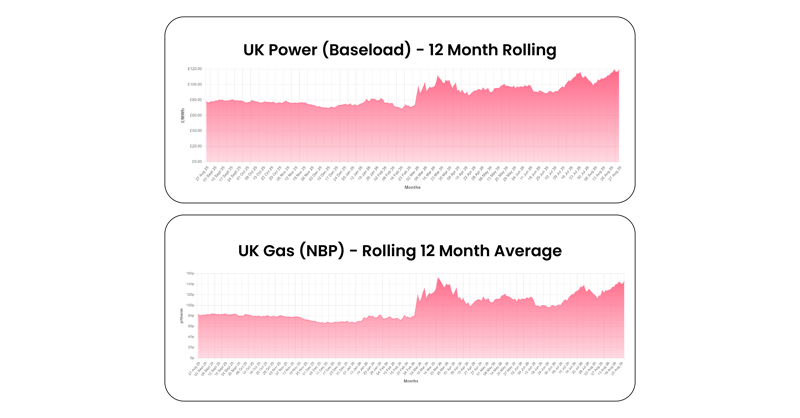
Droughts and geopolitical tensions are driving energy prices up in Europe, with implications for gas supply and market volatility. Stay informed on...

When organisations review their electricity costs, attention sometimes turns to the unit rate.
But for many energy-intensive businesses, some of the most meaningful savings sit elsewhere, within the policy levies and tax elements embedded in electricity bills.
The UK government operates several schemes designed to reduce some of these costs for eligible businesses. Yet eligibility is not always obvious and relief is rarely automatic.
As a result, some organisations continue paying charges that, under the right conditions, could be reduced or removed.
Why These Schemes Exist
Electricity prices in the UK can be structurally higher than in other European markets, partly due to policy and network charges applied to bills. For energy-intensive industries competing internationally, this can create a significant disadvantage.
To address this, the government has introduced targeted mechanisms aimed at protecting qualifying sectors and supporting competitiveness.
These schemes do not reduce wholesale electricity prices. Instead, they lower the non-commodity components of the bill: the policy, network and tax elements that sit alongside the unit rate.
The Main Relief Mechanisms
Depending on sector and electricity intensity, businesses may qualify for one or more of the following:
For qualifying businesses, these mechanisms can materially reduce annual electricity costs.
The Practical Challenge
While the schemes are established, eligibility is rarely static. Electricity intensity can change, operational structures evolve and policy frameworks are updated.
In many organisations, responsibility for monitoring these developments is fragmented between procurement, finance and sustainability teams. Without clear ownership, opportunities can be missed, not through negligence, but through complexity.
A More Structured Approach
Because eligibility depends on sector classification, intensity thresholds and regulatory updates, reviewing discount schemes is not a one-off exercise.
It requires ongoing assessment and, where appropriate, careful application and implementation.
Rather than expecting internal teams to track evolving criteria, some organisations choose to take a managed approach, monitoring eligibility, validating qualification and overseeing applications where relief is available.
This can often be structured on a share-of-savings basis, aligning incentives and reducing upfront risk.
Part of a Wider Cost Strategy
Discount schemes should not be viewed in isolation.
When considered alongside non-commodity optimisation and sustainability planning, they form part of a broader commercial strategy, one that reduces structural cost and creates capacity for reinvestment.
Want to Understand Where You Stand?
In our upcoming webinar, Turn Secrets into Savings, we’ll explain these discount schemes in detail, including the criteria, how to apply and how to monitor your position moving forwards.


True Group : Oct 14, 2026, 9:10:34 AM
Droughts and geopolitical tensions are driving energy prices up in Europe, with implications for gas supply and market volatility. Stay informed on...
True Group : Oct 12, 2026, 9:01:27 AM
Learn if you qualify for ESOS Phase 4 before the December 2026 deadline. Understand the new compliance requirements and how to avoid penalties.
Energy buyers face uncertainty in today's volatile market. Learn how flexible procurement can help manage risks and improve decision-making.