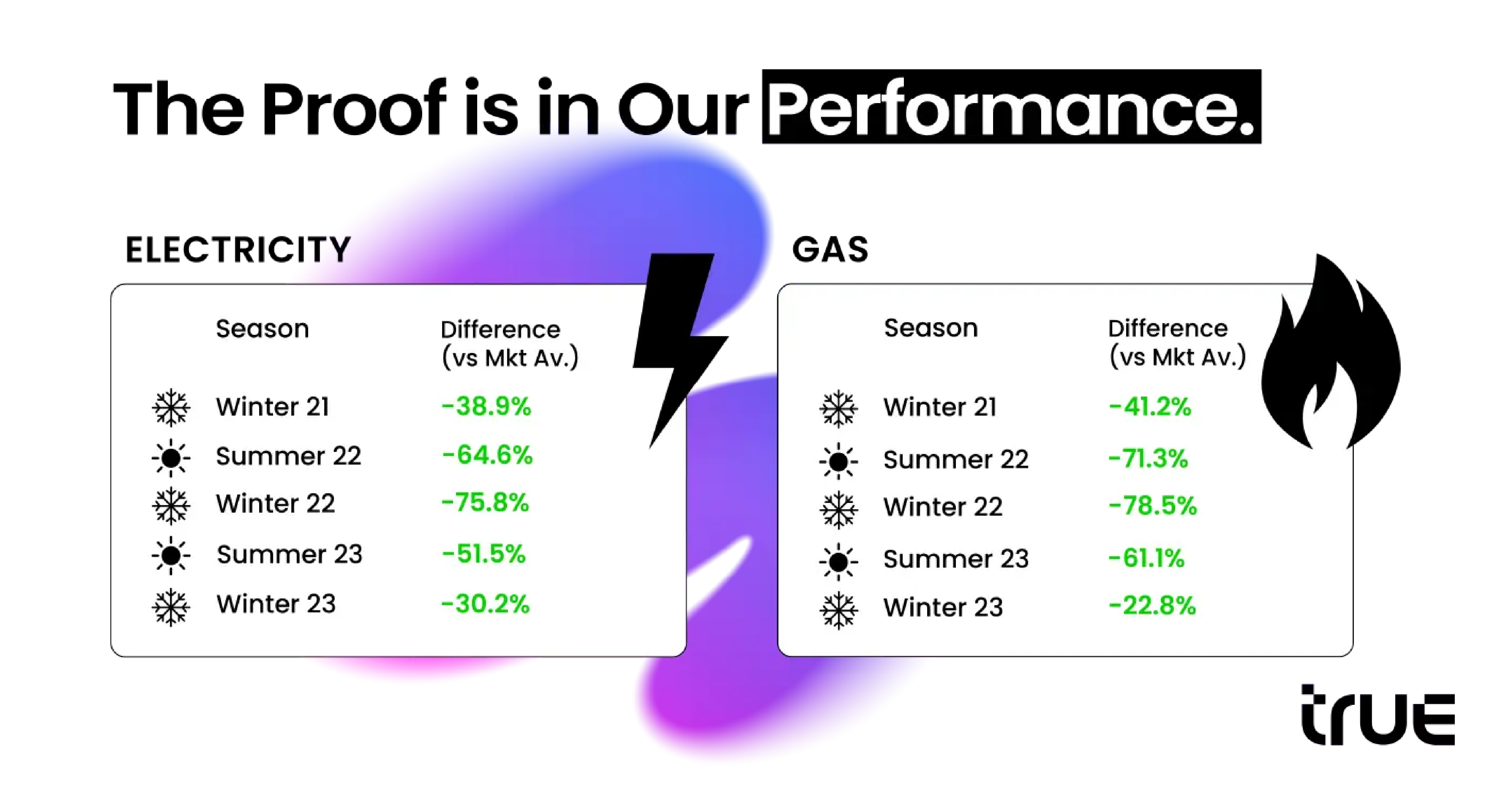

The Open Performance Fund - Saving Businesses Millions on Energy
Managing energy costs is a never-ending challenge for businesses. Whether it’s surviving the record highs of the energy crisis or choosing the right...

The government led by Rachel Reeves delivered a Budget that pushes up taxes in many areas, but also signalled some shifts away from earlier green-tax regimes. Highlights:
What Businesses Should Watch
The newly released Economic & Fiscal Outlook from the OBR provides important economic and financial context. Key points:
What This Could Mean For Your Business
Cost pressures and tighter margins for many businesses.
With taxes rising broadly and cost-of‑capital higher (thanks to interest rates), many businesses will feel pressure on margins. Labour‑intensive businesses (due to pension changes, wage pressures or payroll shifting) may especially be impacted.
The Budget includes a headline-grabbing £150 per year cut to household electricity bills by scrapping certain green levies. While this applies to domestic tariffs, there’s no confirmation that these changes extend to non-domestic or business energy contracts. Businesses should not expect direct savings, though long-term shifts in levy structure could influence future pricing depending on supplier and contract terms.
For businesses or investors looking at traditional savings, dividend income, or passive income, these yield streams may become less attractive due to higher taxes.
Limited support for energy & sustainability investments.
The absence of new broad‑scale green subsidies or decarbonisation funds (as per OBR and other analyses) means companies choosing to invest in renewables, energy efficiency or low‑carbon infrastructure will likely have to self-fund or rely on internal ROI.
That makes a transparent, data‑driven decision‑making platform, like ours, even more critical. Being able to map out real financial and carbon return, compare suppliers and forecast long‑term savings vs upfront cost becomes not just a 'nice to have' but a business necessity.
Investment planning will need to be more conservative and strategic.
With economic growth weaker and borrowing costlier, long‑term investments will need stricter due diligence and clearer return‑on-investment (ROI) cases.
Sustainability and energy projects may fare better, especially those that reduce fixed costs (e.g. energy efficiency, consumption management, renewables). Those can help businesses hedge against future volatility and increased taxation/levies.
Strategic advantage for businesses that commit to sustainability now.
Businesses that invest now while energy costs are eased somewhat can lock in lower running costs before any future policy or tax changes.
For companies with ESG or net zero commitments, investing sooner rather than later gives a competitive and reputational edge, especially when many firms may hold off due to wider economic uncertainty.
Why This Matters
This Budget, reinforced by the OBR outlook, makes one thing clear: Britain is entering a period of fiscal tightening, slower growth and reduced appetite for broad, public-sector‑funded green initiatives.
Companies can no longer rely on generous subsidies or preferential tax treatment when planning sustainability or energy projects.
Selecting the right energy strategy, procurement path, carbon‑reduction technology or supplier isn’t just about being green anymore, it’s about safeguarding competitiveness, controlling costs and future‑proofing the business.
A robust, data-driven platform that helps compare costs, forecast returns (financial and carbon) and evaluate supplier options, that’s not a luxury, it’s a strategic asset.
What To Watch For Next
Ready to make sense of the Budget and sharpen your net zero strategy?
Book a call with our team and let’s map out your next move.
Managing energy costs is a never-ending challenge for businesses. Whether it’s surviving the record highs of the energy crisis or choosing the right...

The Energy Savings Opportunity Scheme (ESOS) has long been a fixture in the UK’s energy efficiency landscape. As businesses gear up for ESOS Phase 4...
The increase in network costs, following higher distribution charges, will be limited from April 2024.