
 True Group
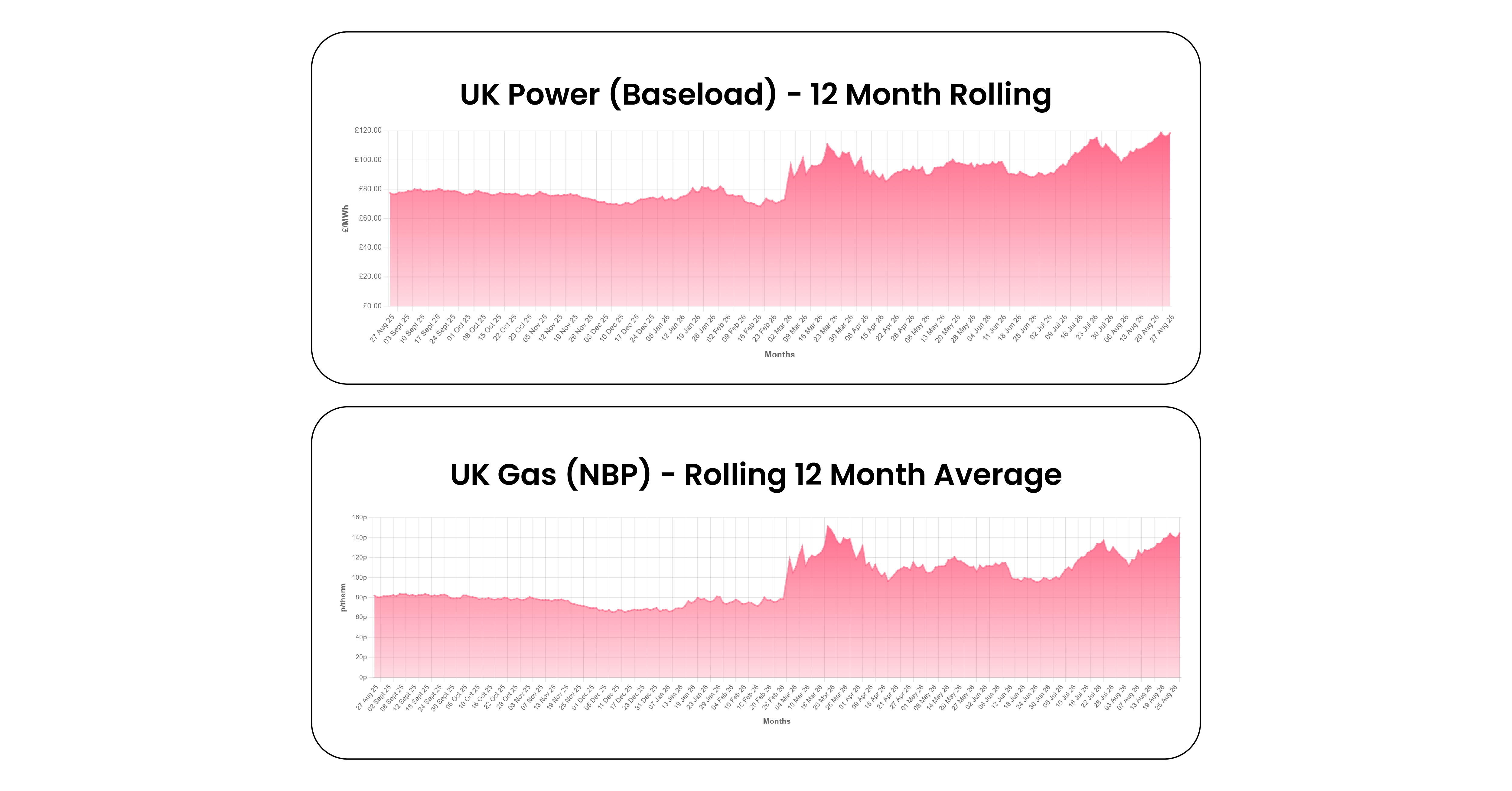
Gas markets have been volatile, with W26 gas prices trading higher week-on-week despite easing from recent highs. The Middle East continues to be the dominant driver, with tentative hopes of progress after Iran and Oman discussed establishing a temporary joint maritime corridor and a potential permanent route through the Strait of Hormuz, alongside a growing number of stakeholders involved in ongoing negotiations. However, there is caution over whether these efforts will result in an immediate reopening of Hormuz and even a partial restoration of Qatari LNG flows, while a tight global gas balance and Europe’s low storage levels remain a concern as the injection season nears its end. Further supply-side support emerged after Gassco, Norway’s gas transmission system operator, reported two unplanned outages ahead of a significant increase in planned maintenance over the coming days. Taken together, prices are likely to remain sensitive to developments in the Middle East, with supply concerns continuing to provide underlying support.
Economic Environment
• UK inflation accelerated sharply to 2.9% in July, up from 2.6% in June, as higher energy costs stemming from the Middle East conflict pushed it further above the Bank of England’s target.
• At the same time, UK retail sales fell 0.5% m/m in July, reversing a 0.7% rise in June, as weaker clothing and furniture sales outweighed a World Cup and heatwave-driven boost to food and drink spending.
• Activity in the UK services sector strengthened unexpectedly in August, with the PMI rising to a six-month high of 52.8. However, manufacturing growth slowed to a five-month low of 51.5, partly as precautionary stock building eased.
Oil
• Oil markets remained volatile throughout August, with front-month Brent trading within a roughly $16/bbl range and ending the month around 8% higher. Prices remained supported by continued disruption to Middle Eastern supply, geopolitical tensions surrounding the Strait of Hormuz and the ongoing US-Iran diplomatic stalemate.
• Morgan Stanley raised its Q4 2026 Brent forecast to $100/bbl from $75/bbl, citing a slower recovery in Middle Eastern supply and expectations that the oil market will remain in deficit into early 2027.
Gas
• Europe’s storage deficit continues to widen, with inventories at 63.8%, around 13 percentage points below last year, making a start to winter near historic lows increasingly likely. The limited buffer raises the risk of a tight spot market in the event of prolonged cold weather or supply disruptions and is likely to continue supporting prices.
• Germany’s gas grid operator group FNB Gas warned that the country faces a “critical” gas storage situation, with stocks around 50% full versus 67% last year. While opposing intervention in routine storage filling, the government plans to establish a 24 TWh (2.3 bcm) strategic gas reserve for supply emergencies, with stocking expected to begin in Summer 27.
• Equinor started production from Troll Phase 3 Stage 2 on 22 August, ahead of schedule. The eight-well project will accelerate production of 55 bcm of gas from Troll West, helping offset natural decline and sustain high output from Troll, which currently supplies around 10% of Europe's gas demand, towards 2030.

Power
• French nuclear availability remains unusually low at 33.9 GW, or just 54% of installed capacity, as several reactors curtailed during the heatwave now face unplanned outages, while jellyfish-related disruption has extended outages at Gravelines. The shortfall has increased reliance on gas-fired generation, supporting short-term power prices in France and neighbouring markets, including the UK.
• An EU-UK summit, seen as key to finalising a deal to re-link the UK and EU emissions trading systems, is expected in the fourth quarter after being postponed from June following the change in UK leadership. Re-linking the two markets is likely to narrow the current spread between UK and EU allowances (currently around £10/tonne), providing support to UK power prices.
• The British government is reportedly considering delaying its 2030 clean power target by 1-2 years, which aims to meet 95% of UK electricity demand with clean power, amid concerns over rising household bills. The move signals a greater focus on affordability, with potential easing of EV targets also under consideration.
• UK power prices strengthened further throughout August, with the Winter 26 baseload contract trading within a £26/MWh range and ending the month 15% higher. Prices were supported by firm short-term power markets and rising gas prices amid continued geopolitical tensions in the Middle East, while carbon remained broadly stable.

If you would like the latest insights weekly, sign up for our Energy Market Update.