
5 min read

Energy Market Volatility: Fix, Flex or Wait?

Energy Market Volatility: Fix, Flex or Wait?

Energy markets have moved quickly over the past few months. What had been a relatively calm outlook has become much less certain, with geopolitical tension, concerns around LNG supply, unpredictable weather and greater price volatility bringing energy risk firmly back into focus.

For businesses with an energy renewal approaching, the obvious question is what to do next. Unfortunately, there is no single answer that works for everyone, because the right decision depends on when you need to buy, how much risk your business can carry and how important budget certainty is to you.

Fixing now could protect you if prices continue to rise, while waiting could leave you better placed if some of the risk currently priced into the market begins to unwind. Both approaches have merit, and both carry a potential cost if the market moves against you.

Trying to predict exactly where energy prices will go next is rarely a useful basis for a procurement strategy. A better approach is to understand the decision in front of you, the exposure your business is carrying and the financial consequences of different market movements.

For most businesses, that leaves three broad routes: wait, fix, or manage your exposure through a flexible purchasing strategy.


Option one: wait, with a plan

There are perfectly good reasons to hold off on buying energy in the current market. If your existing contract still has some time to run, you may decide that buying into today's uncertainty doesn't make commercial sense and that you would rather see how geopolitical risks, supply conditions and the wider market develop.

The important thing is to make that a deliberate decision.

If your renewal is not until 2027 or 2028, for example, you may have the luxury of time. That gives you an opportunity to monitor the market rather than commit immediately, provided you understand how much exposure you are prepared to carry while you wait.

That means knowing the price your business can tolerate, how long you are prepared to remain exposed and which market movements would trigger a purchasing decision. You should also understand the financial impact if prices rise before conditions improve.

Waiting can therefore be a perfectly sensible strategy when it is supported by active market monitoring, agreed risk parameters and the ability to act when those parameters are reached.

Without those things in place, waiting becomes a much less comfortable proposition.


Option two: fix for certainty

For many businesses, the attraction of a fixed contract is straightforward: you know what you are going to pay.

Depending on the shape of the forward market, a two- or three-year fixed contract may also offer a lower average price than fixing the immediate period alone. In a volatile market, that combination of price and longer-term certainty can understandably look attractive.

There are real commercial benefits to having that certainty. A fixed contract gives you a known energy cost that can be built into budgets, forecasts and, where appropriate, customer pricing. It removes a significant source of financial volatility and gives the business one less variable to manage.

For organisations where budget certainty is particularly important, that can carry considerable value. If geopolitical tensions worsen and wholesale prices continue to rise, a contract agreed today may also protect the business from those increases.

The trade-off is that the commitment works in both directions. By fixing for several years, you protect the business from further price rises while also giving up the opportunity to benefit from falling prices.

That is particularly important when the market is carrying a significant amount of short-term uncertainty. A multi-year agreement could effectively carry some of today's market stress into your energy costs for the next two or three years.

If geopolitical pressures ease, supply conditions improve or longer-term fundamentals begin pulling prices lower, your business will continue paying the price it agreed.

There is nothing inherently wrong with that. Certainty has a value, and for some organisations it will comfortably outweigh the potential opportunity of waiting for lower prices. The important thing is to understand what you are paying for that certainty and make the decision around your budget, risk appetite and wider commercial priorities rather than reacting to the latest market movement.


Option three: manage risk through flexibility

Larger energy users may have another option available through flexible purchasing.

A well-managed flexible strategy allows a business to spread its purchasing decisions over time rather than committing its entire future requirement at a single point in the market.

For example, you might choose to purchase some future volume now, reducing the impact of further price increases, while keeping some volume open to take advantage of lower prices if the market softens.

That can be particularly useful when the risks facing the immediate market look different from those further along the forward curve. Rather than applying today's conditions to every unit of energy you expect to consume over the next two or three years, you can manage different periods according to the risks and opportunities you see within them.

There is still exposure involved, of course. If prices continue to rise, any volume left open to the market could become more expensive, which is why flexible purchasing needs clear governance, agreed trading parameters, good market insight and active management.

Used properly, however, flexibility gives a business the ability to manage its downside exposure while retaining some opportunity to improve its position if market conditions become more favourable.

In a fast-moving market, having that room to manoeuvre can be valuable.

So, what should businesses do?

Your renewal date should be one of the first things you consider, alongside your budget position, appetite for risk and the level of cost certainty the organisation requires.

For businesses renewing between October 2026 and spring 2027, a shorter-term fixed contract may deserve serious consideration. Current prices may be higher than businesses have become accustomed to, but there is a meaningful difference between accepting higher costs for a limited period and committing to those conditions across a multi-year agreement.

A shorter contract could provide certainty through the immediate period of market risk while giving you the opportunity to reassess conditions before making your next purchasing decision.

Larger energy users with access to flexible purchasing arrangements should also be looking closely at their options. That could involve reducing some immediate exposure by purchasing forward volume while keeping enough flexibility to benefit if markets begin to fall.

Businesses with renewals further out, particularly those buying for 2027 and beyond, have more time to work with. That time is useful, provided you use it to understand your exposure, establish clear risk parameters and identify the price levels or market conditions that would prompt you to act.

You can then make the purchasing decision in the context of your own commercial position rather than allowing the market to make it for you.


Already protected? Use the advantage

Some businesses are already insulated from the current market volatility through contracts agreed previously. If you are in that position, the immediate pressure may be lower, which creates an opportunity to think beyond the next procurement decision.

Higher wholesale prices can improve the business case for reducing your dependence on purchased energy. Energy efficiency measures, renewable generation, on-site generation and wider energy reduction projects can all become more financially attractive as the cost of buying energy from the grid increases.

If your current contract gives you some breathing room, it is worth using that time to assess where investment could reduce future consumption and exposure. Look at the potential savings, payback periods and carbon reductions, and prioritise the projects that make commercial sense.

A strong buying decision can protect you from today's market. Reducing the amount of energy you need to buy can protect you from more of tomorrow's.


Making the decision with confidence

Volatile markets rarely offer a painless answer, and nobody can know with certainty where energy prices will go next. What businesses can do is make sure they understand the consequences of the decisions available to them.

If you wait, you need clear parameters for when you will act. If you fix, you need to be comfortable with the opportunity you may give up in exchange for certainty. If you choose a flexible strategy, you need the governance and market insight to manage that exposure properly.

Before making a renewal decision, understand your current position, model the financial impact of each route and agree the level of risk the business is prepared to carry. That gives procurement and finance teams a much stronger basis for making decisions when the market inevitably moves again.

At True Group, we help organisations make sense of volatile energy markets and turn that insight into clear, controlled purchasing decisions. By combining market expertise, data and procurement strategy, we help businesses understand their exposure, manage risk and make confident decisions in markets that rarely stand still.

You don't need a crystal ball. You need a clear view of your exposure, a strategy built around your business and the confidence to act when the time is right.

Clarity, control and confidence, whatever the market does next. Book a call.

The Future of European Competitiveness

The Future of European Competitiveness

The recent report from the European Union, The Future of European Competitiveness, underscores the importance of adopting sustainable practices for...
Read More
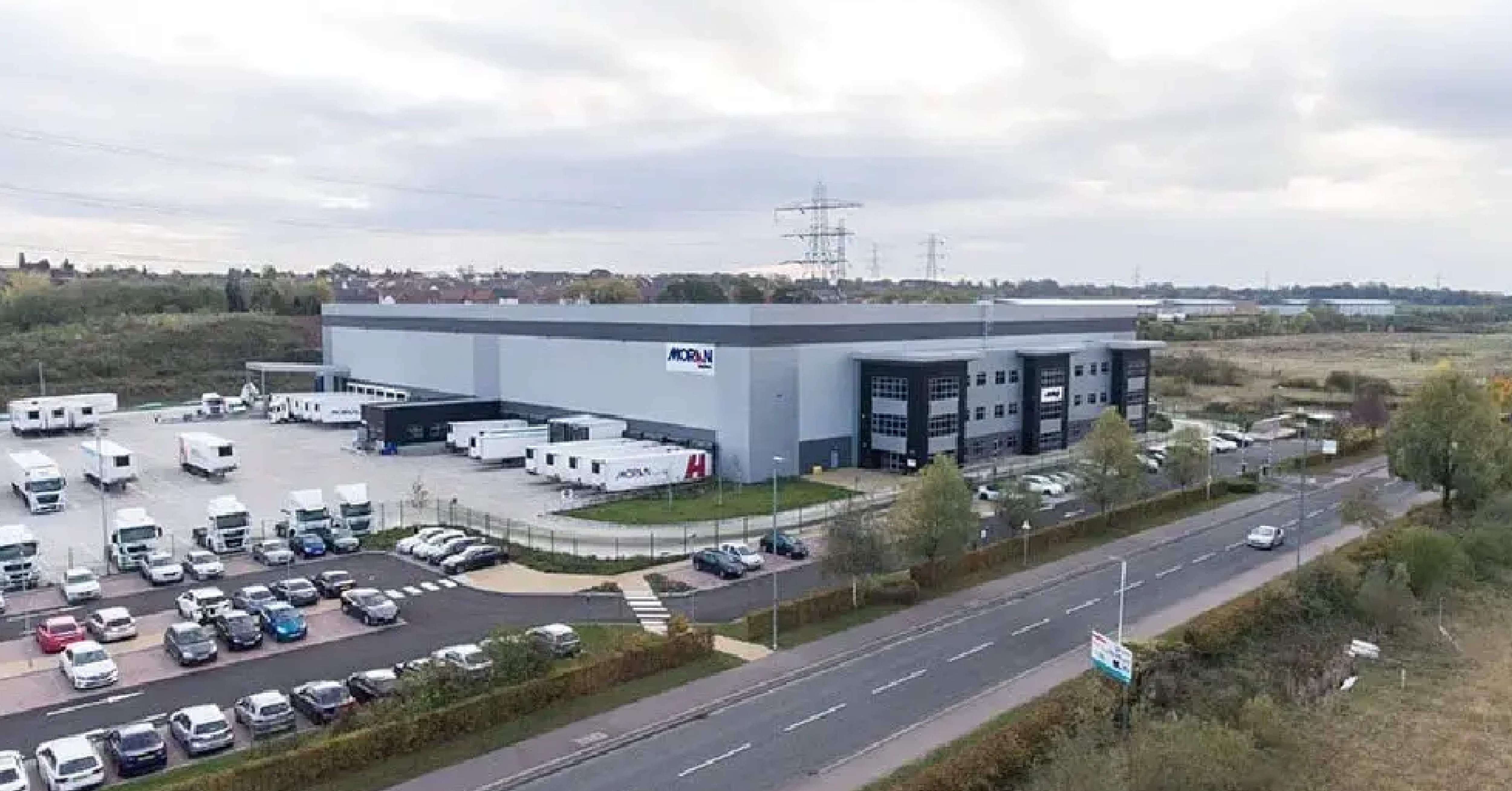
Unlocking the Future of Sustainable Logistics with Moran Logistics

Unlocking the Future of Sustainable Logistics with Moran Logistics

A Q&A with Otto Terrell and Mark Burrell

Read More
Sustainability Doesn’t Have to Be Expensive. It Can Fund Itself.

Sustainability Doesn’t Have to Be Expensive. It Can Fund Itself.

Sometimes sustainability sits in the ‘nice idea, wrong timing’ category. The ambition is there, but the commercial reality feels harder.

Read More