Energy Market Analysis - September 2026
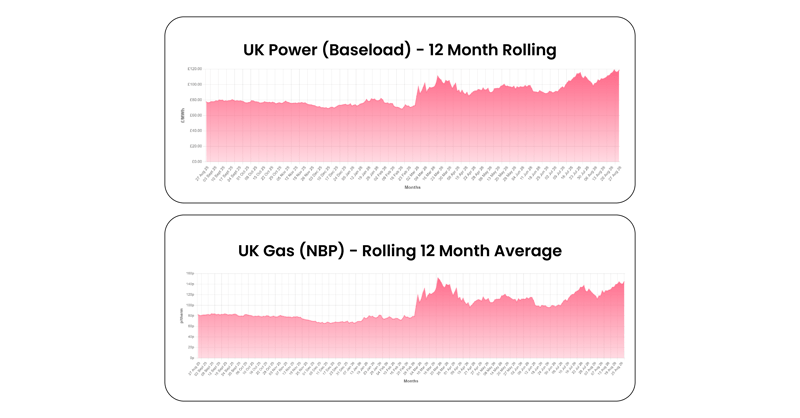
Droughts and geopolitical tensions are driving energy prices up in Europe, with implications for gas supply and market volatility. Stay informed on...
Energy was front and centre of John Healey’s first Budget as Chancellor. With the Middle East conflict pushing up wholesale prices, the government declared cheaper energy its first priority. The headlines were about households, but the OBR’s costings show several changes that matter just as much to business energy buyers. Highlights:
The OBR’s October 2026 Economic and Fiscal Outlook is blunt: interest rates and energy prices have both risen significantly since March. Key points:
Expect a modest lift from April 2027, not a step change.
Scrapping Carbon Price Support and trimming CfD levies should take some cost out of business electricity bills from April 2027. But with environmental levies still forecast at £14–16bn a year, non-domestic bills will keep carrying policy costs. The CBI points out that UK non-domestic electricity prices already sit around 45% above the G7 median. Check how your contract deals with these changes to pass-through costs in order to understand the timing of the impact.
Winter wholesale risk hasn’t gone away.
None of today’s measures touch the wholesale price, which is still being driven by the Middle East. Businesses aren’t covered by the price cap, so exposure depends entirely on your procurement strategy. If you’re buying on a flexible basis, review all future hedge positions and have a strategy that's fit for purpose today. If your fixed contract is renewing now, consider length of the contract you sign and understand the risks associated.
Manufacturers: BICS is real money, so make sure you claim it.
Up to 25% off electricity bills from April 2027, backdated to April 2026, is a material saving for eligible sites. Eligibility is targeted: you need to be in a qualifying frontier or foundational sector, manufacture an eligible product and use at least 33 MWh of grid electricity per site each year. Only grid-supplied electricity counts, and your business must be registered on Companies House. Applications close at 11:59pm on 30th November 2026 and can’t be amended once submitted, so check your eligibility now rather than discovering later that you qualified. We can check your BICS eligibility and apply for you.
Hospitality, retail and leisure: check your business rates.
In England, the small business rates relief threshold for these sectors rises from £12,000 to £18,000, and rates for other properties in these sectors are frozen in real terms for two years from April. It’s not an energy measure, but it eases overall cost pressure for many of the sites with the highest energy spend per pound of turnover.
Standing charge reform will shift costs, not just cut them.
The planned change covers household gas only, and electricity standing charges stay for now. Even so, it signals a wider move from fixed charges towards unit rates. If that thinking reaches business tariffs, high-consumption sites could pay more per unit even as fixed costs fall. Understanding your consumption profile, and where you can cut or shift load, becomes more valuable.
This Budget marks a genuine shift: cost now leads energy policy, and the Treasury has started picking up some of the policy costs that used to land on bills.
That’s welcome, but it creates a period of uncertainty. Levy structures are changing, standing charges are being rethought and support schemes like BICS are targeted rather than universal. Each change will land differently depending on your sector, your contracts and how you use energy.
The businesses that come out ahead won’t be the ones waiting for Westminster to fix their bills. They’ll be the ones who know exactly what they pay, why they pay it, and which levers they can pull today. Clear data, smart procurement and investments that pay for themselves are what turn a volatile market into a manageable one.
Want to know what the Budget means for your energy costs, your contracts and your eligibility for BICS? Book a call with our team and let’s map out your next move.
Droughts and geopolitical tensions are driving energy prices up in Europe, with implications for gas supply and market volatility. Stay informed on...
Learn if you qualify for ESOS Phase 4 before the December 2026 deadline. Understand the new compliance requirements and how to avoid penalties.
Energy buyers face uncertainty in today's volatile market. Learn how flexible procurement can help manage risks and improve decision-making.