 True

What the Autumn 2026 Budget Means for Businesses
 True Group : Oct 28, 2026, 3:48:02 PM
Discover key insights from the Autumn 2026 Budget, focusing on energy cost changes and what they mean for businesses navigating rising expenses.

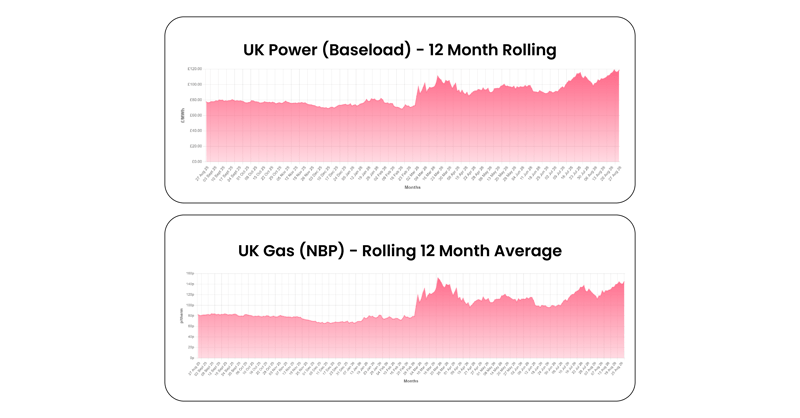
Despite bearish short-term fundamentals, gas and power prices have risen lately due to several factors. First, weather forecasts point to another heatwave across Northwestern Europe, accompanied by low wind generation. Second, a sharp rebound in the US dollar against the euro and sterling has pushed up the price of LNG, coal, and oil products. Third—and potentially a major market driver—the threat of increased US tariffs and penalties on Russian energy buyers has resurfaced. On Monday, Mr. Trump said Russia had “10 or 12 days” to agree to a ceasefire in Ukraine or face tariffs, along with its oil buyers. It remains to be seen whether this rhetoric will impact Russian oil exports and, crucially for European gas prices, whether it will affect Russian pipeline gas or LNG flows. Assuming any disruption proves short-lived, prices should decrease in the coming weeks, as the underlying fundamentals remain bearish due to rising OPEC+ oil output and the continued increase in global LNG production.
Economic Environment
Oil
Gas

Power

If you would like the latest insights weekly, sign up for our Energy Market Update.

True Group : Oct 28, 2026, 3:48:02 PM
Discover key insights from the Autumn 2026 Budget, focusing on energy cost changes and what they mean for businesses navigating rising expenses.
True Group : Oct 14, 2026, 9:10:34 AM
Droughts and geopolitical tensions are driving energy prices up in Europe, with implications for gas supply and market volatility. Stay informed on...
True Group : Oct 12, 2026, 9:01:27 AM
Learn if you qualify for ESOS Phase 4 before the December 2026 deadline. Understand the new compliance requirements and how to avoid penalties.