
What the Autumn 2026 Budget Means for Businesses
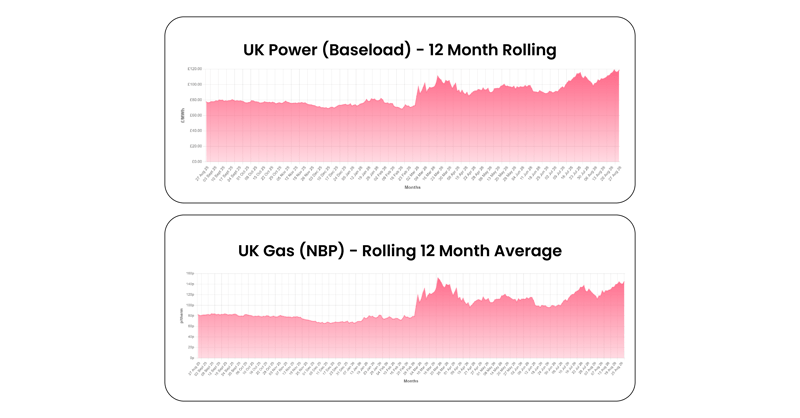
Discover key insights from the Autumn 2026 Budget, focusing on energy cost changes and what they mean for businesses navigating rising expenses.
As concerns about environmental degradation and plastic pollution intensify, governments worldwide are grappling with solutions to tackle these challenges. The UK, with its commitment to establishing a greener future, introduced the Plastic Packaging Tax in an effort to reduce the reliance on single-use plastics and encourage a shift towards a more circular economy.
Historical Context
With images of plastic-littered oceans and landscapes becoming ubiquitous, the urgency to address the plastic menace has never been more palpable. The UK, having already made strides with policies such as the ban on microbeads and the introduction of charges for plastic bags, furthered its sustainability drive with the Plastic Packaging Tax.
Key Provisions
This progressive tax, set to come into effect, is designed with clear objectives and targets in mind:
Implications for Businesses and Consumers
The Plastic Packaging Tax promises to reshape the market dynamics for both producers and consumers:
In Conclusion
The Plastic Packaging Tax is not just a fiscal measure; it's a statement of intent by the UK government. By making businesses accountable for their packaging choices and nudging consumers towards sustainable options, the legislation represents a significant step in the UK's journey towards environmental stewardship. The ripple effects of this tax will undoubtedly extend beyond the shores of the UK, setting a precedent for other nations to follow. As the legislation rolls out, its success will be gauged not just by revenues collected but by the reduction in plastic waste and the strides made towards a truly circular economy.
Discover key insights from the Autumn 2026 Budget, focusing on energy cost changes and what they mean for businesses navigating rising expenses.
Droughts and geopolitical tensions are driving energy prices up in Europe, with implications for gas supply and market volatility. Stay informed on...
Learn if you qualify for ESOS Phase 4 before the December 2026 deadline. Understand the new compliance requirements and how to avoid penalties.